


Plasma Ball Light Price In Bangladesh
What is Plasma Ball is
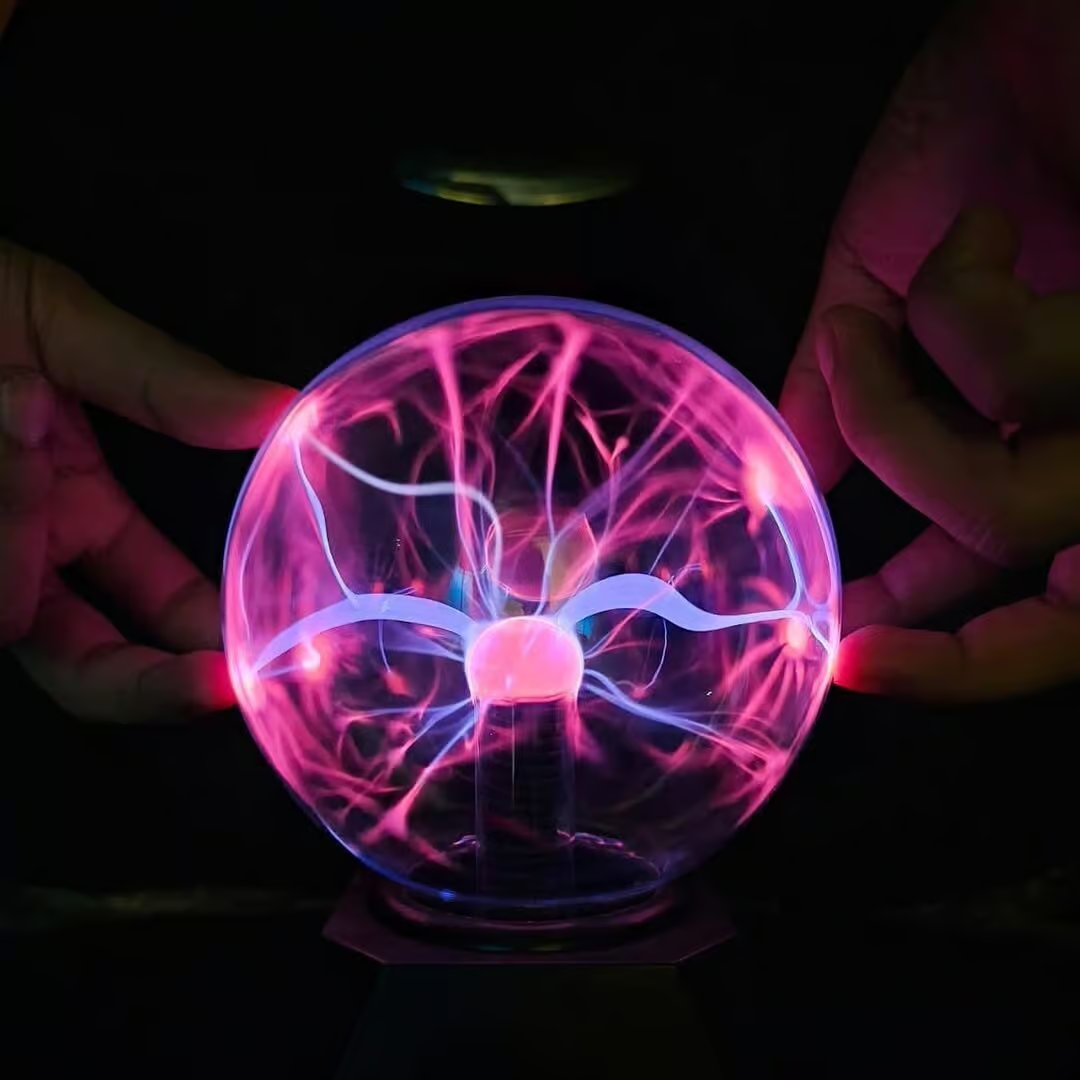
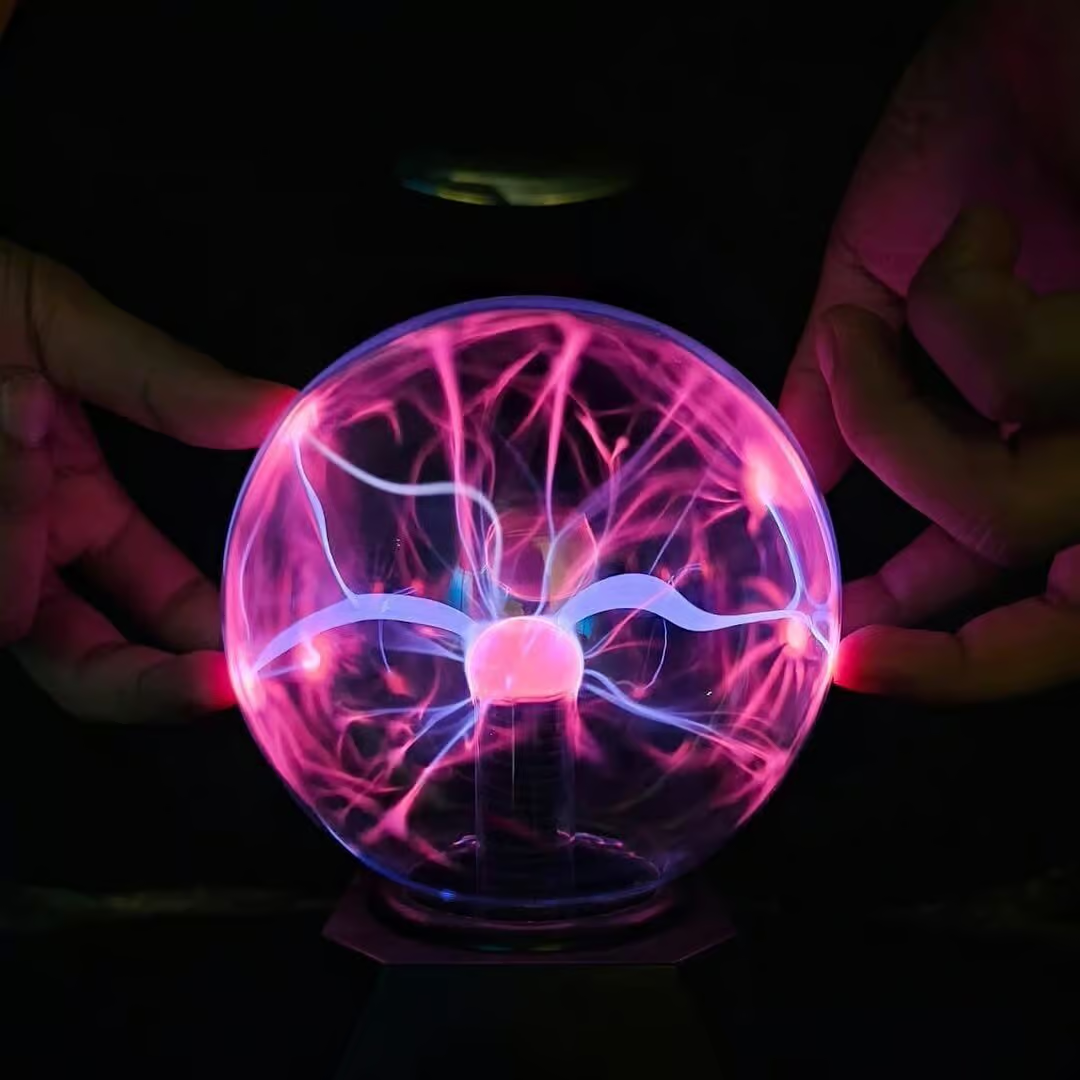
A typical plasma ball consists of a clear glass sphere filled with a mixture of noble gases such as neon, argon, krypton, and xenon at low pressure. Suspended in the center of the sphere is a high-voltage electrode.
How it works:
When the device is switched on, a high-frequency alternating current (AC) is applied to the central electrode, often through a miniature Tesla coil in the base. This high voltage excites the gas atoms inside the globe, stripping off electrons and creating a plasma – a hot, ionized gas containing positively charged ions and negatively charged electrons.
The colorful filaments of light that you see extending from the central electrode towards the glass walls are channels of this plasma. The colors of the light are determined by the specific gases used in the mixture. For example, neon typically produces reddish-orange light, while argon can produce lavender or blue hues.
When you touch the glass surface of a plasma ball, a bright streamer of plasma is attracted to your fingertip. This happens because your conductive body provides an easier path for the electrical energy to flow compared to the surrounding gas and glass. The plasma filaments essentially follow the path of least resistance.
Fun Facts and Uses:
- Touch Sensitivity: The way the plasma streamers react to touch is a key part of their novelty and interactive appeal.
- Sound Sensitivity: Some plasma balls are equipped with sound sensors that cause the plasma filaments to pulse and react to music or other sounds.
- Educational Tool: Plasma balls are often used in science education to demonstrate the properties of plasma and basic electrical concepts in a visually engaging way.
- Decorative Item: Their unique and colorful lighting effects make them popular as decorative lamps for homes, parties, and ambient lighting.
- Ozone Production: A faint smell of ozone might be noticeable when a plasma ball is operating. This is due to the high voltage interacting with oxygen molecules in the air.
- Fluorescent Light Interaction: Interestingly, bringing a fluorescent light bulb close to an operating plasma ball can sometimes cause the bulb to light up without any direct contact. This demonstrates the electromagnetic field produced by the plasma ball.
Be the first to review “Globe Shape Magic Plasma Ball Light- 5 Inch”
Related products

LED Light


Emergency Light


Desk Lamp

Desk Lamp


LED Light
RGB LED Flood Light- Remote Controlled IP65 Waterproof Landscape & Outdoor Lighting (50W, AC220V)



LED Light
Reviews
There are no reviews yet.